
Starlink Referral Program in Kenya: What You Need to Know in 2025
 Are you frustrated with slow, unreliable internet in Kenya’s rural areas or even in bustling cities like Nairobi where traditional providers often fall short? If you’re exploring options for high-speed connectivity, Starlink’s satellite internet has been a game-changer since its launch in the country. But what if you could not only enjoy blazing-fast speeds but also save money through referrals? Enter the Starlink referral program, now fully enabled in Kenya as of 2025. This initiative allows existing users to earn credits toward free months of service while helping friends, family, or neighbors get connected. In this comprehensive guide, we’ll unpack everything you need to know—from the basics of how it works to its impact on Kenya’s digital landscape, eligibility requirements, potential savings, and more. Whether you’re a farmer in Kitale relying on online markets, a student in Kisumu streaming classes, or a business owner in Mombasa handling remote operations, understanding this program could transform your internet experience and budget.
The Rise of Starlink in Kenya: A Brief Background
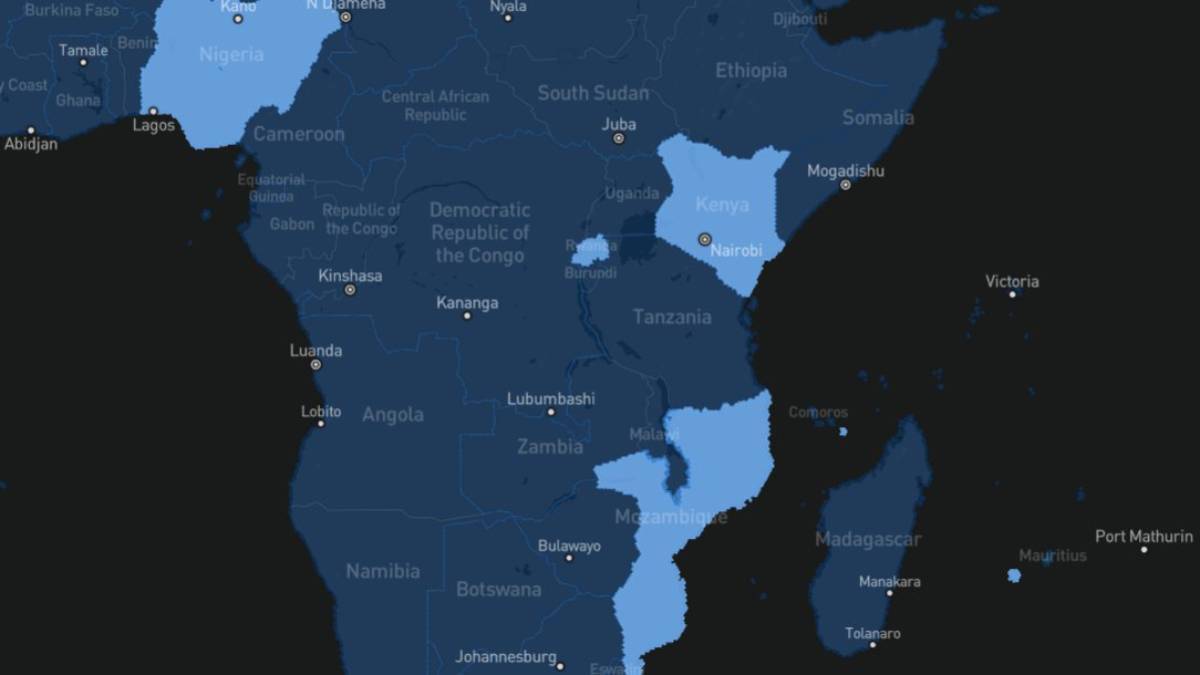
To appreciate the referral program, it’s essential to understand Starlink’s journey in Kenya. Launched globally by SpaceX in 2019, Starlink aimed to provide broadband internet via a constellation of low-Earth orbit (LEO) satellites, bypassing the limitations of ground-based infrastructure like fiber optics or cellular towers. In Kenya, where internet penetration stands at around 42% (with rural areas lagging significantly), Starlink received regulatory approval from the Communications Authority of Kenya (CAK) in mid-2023. By 2025, it has expanded to cover nearly the entire country, from the arid North Eastern Province to the coastal regions and highlands.
What makes Starlink stand out? Traditional ISPs like Safaricom, Zuku, or Jamii Telecom often struggle with last-mile connectivity in remote areas, leading to frequent outages and slow speeds. Starlink, however, delivers download speeds of 50–220 Mbps and upload speeds of 5–20 Mbps with latency as low as 25–50ms—ideal for video calls, online gaming, or e-commerce. This is particularly beneficial in Kenya’s diverse terrain, where laying cables is costly and impractical. As of October 2025, over 100,000 Kenyan households and businesses are connected, with adoption surging in sectors like agriculture (for precision farming apps), education (remote learning), and tourism (guest Wi-Fi in lodges).
The referral program was introduced to accelerate this growth. Initially rolled out in select markets, it became available in Kenya in early 2025, coinciding with increased competition from local providers. For instance, Safaricom responded by launching its own referral scheme, offering KSh 500 for fiber connections. Starlink’s program, however, offers more substantial rewards, making it a compelling option for cost-conscious users.
What Is the Starlink Referral Program Exactly?
At its core, the Starlink referral program is a win-win incentive system designed to expand the user base organically. As an active Starlink customer, you can share a unique referral link with others. When someone uses your link to purchase and activate a Starlink kit, both you (the referrer) and the new user (the referee) receive one month of free service credit. This credit is applied to your account, effectively reducing or eliminating your next bill.
The program’s value varies by plan but is typically equivalent to the standard residential subscription fee of KSh 6,500 (approximately $50 USD). For higher-tier plans like Roam (mobile service), credits can range from KSh 1,300 to KSh 6,500, depending on the package. There’s no limit on the number of referrals you can make, so avid sharers could potentially cover their entire annual subscription through credits alone.
Why did Starlink launch this? It’s a strategic move to boost adoption in underserved markets like Kenya, where word-of-mouth is powerful. According to SpaceX, the program has led to rapid user growth in similar regions, with users reporting savings of up to 50% on yearly bills through multiple referrals. In Kenya, it’s particularly timely amid the government’s Digital Economy Blueprint, which aims to connect 80% of the population by 2030.

Eligibility and Availability: Who Can Participate?
Not everyone can jump in right away. Eligibility is straightforward but specific:
– Active Subscription: You must be an existing Starlink customer with a paid Residential or Roam plan. Business or Maritime plans are typically excluded initially, though expansions are possible.
– Program Availability: The referral program is live nationwide in Kenya as of 2025, but it may vary in neighboring countries like Uganda or Tanzania due to regulatory hurdles. Check the Starlink app or website for real-time status.
– New Users Only: Referrals apply to first-time customers purchasing a kit. The referee must activate within 30 days and remain active for at least one billing cycle.
For new users, the barrier is the upfront cost: The standard Starlink kit retails for around KSh 45,000–50,000 (including hardware like the dish and router), plus shipping. However, rental options are available at KSh 1,950/month, lowering the entry point. This makes it accessible for low-income households or small businesses.
Importantly, the program is geo-locked to regions where Starlink is approved. In Kenya, coverage is near-universal, but remote areas like Turkana may experience longer shipping times (up to 2 weeks).
How the Starlink Referral Program Works: A Step-by-Step Overview
While the BOFU guide will dive into actionable steps, here’s a high-level look:
1. Generate Your Link: Log into your Starlink account via the app or website. Navigate to “Account” > “Referrals” to get your unique code.
2. Share It: Send via WhatsApp, email, social media, or even print QR codes for community events.
3. Referral Activation: The new user buys the kit using your link and sets it up.
4. Credit Application: Both parties get notified via email within 30 days, with credits applied automatically.
Real-world examples abound. Take Jane, a Nairobi freelancer: She referred five apartment neighbors during a blackout season, saving KSh 32,500 over six months. Or John in Meru, who connected his farming co-op, turning his setup into a shared hub.
Benefits for Kenyan Users: Why It’s Worth It
The perks extend beyond savings:

– Financial Incentives: Stack credits for free months, potentially halving your KSh 78,000 annual bill.
– Community Building: In villages, referrals foster shared networks, boosting local economies.
– Reliability Boost: Unlimited data during free months means no throttling for heavy users.
– Competitive Edge: Compared to Safaricom’s KSh 500 referral, Starlink’s is more lucrative.
Potential Drawbacks and Considerations
No program is perfect. Hardware costs (KSh 45,000+) can deter referrals, though financing via M-Pesa helps. Activation delays in remote areas like Garissa add 5–10 days. Credits are non-transferable and expire if unused within 12 months. Weather impacts (rain fade) affect service, but Starlink’s LEO tech minimizes this compared to older VSAT systems.
Privacy is another note: Sharing links involves personal data, so use trusted channels.
User Stories and Case Studies from Kenya
From X (formerly Twitter), users like @WillarShoko highlight how competition from Starlink prompted Safaricom’s referral, benefiting consumers overall. In rural Meru, farmers report using referrals to afford group plans, enhancing agribusiness apps. Urban stories from Nairobi show freelancers stacking 3–6 free months yearly, freeing up funds for other essentials.
Future of the Program and Starlink in Kenya
Looking ahead, Starlink plans to expand with Gen3 hardware for even faster speeds (up to 500 Mbps). The referral program may evolve to include business plans or higher rewards. With Kenya’s internet users projected to hit 50 million by 2030, programs like this will play a key role.
Is the Starlink Referral Program Right for You?
If you’re an active user seeking savings and community growth, yes. It’s low-effort with high returns. Not convinced? Check availability at starlink.com/ke. For deeper dives, read our BOFU guide on claiming your free month.