
Types of Access Control and Their Uses in Kenya
Access control systems have revolutionized security management by providing sophisticated methods to regulate entry into buildings and restricted areas. In Kenya, where security remains a top priority for both residential and commercial properties, understanding the different types of access control systems available is crucial for making informed security decisions. This guide provides an in-depth exploration of all major access control system types currently in use across Kenya. The Types Include:–

1. Keypad Access Control Systems
How They Work
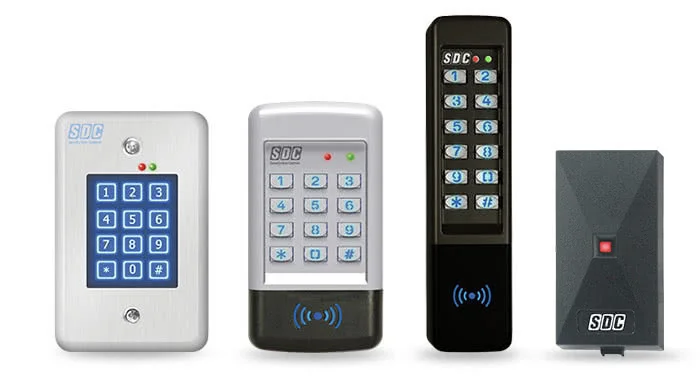
Keypad systems require users to enter a numeric or alphanumeric code on a mounted keypad device to gain entry. These systems eliminate the need for physical keys while maintaining a simple authentication process.
Technical Specifications
– Typically support 4-8 digit PIN codes
– Made with durable, weather-resistant materials for outdoor use
– Often feature backlit keys for low-light conditions
– Can store between 50-500 user codes depending on model
Common Applications in Kenya
– Apartment building entryways
– Small business offices
– Storage facilities
– Gated community pedestrian gates
Advantages
– Cost-effective solution
– Easy to install and maintain
– No cards or keys to lose
– Simple to change codes when needed
Limitations
– Vulnerable to code sharing
– Can be compromised if codes are observed
– No individual user tracking in basic models
2. Proximity Card & RFID Access Systems
System Components
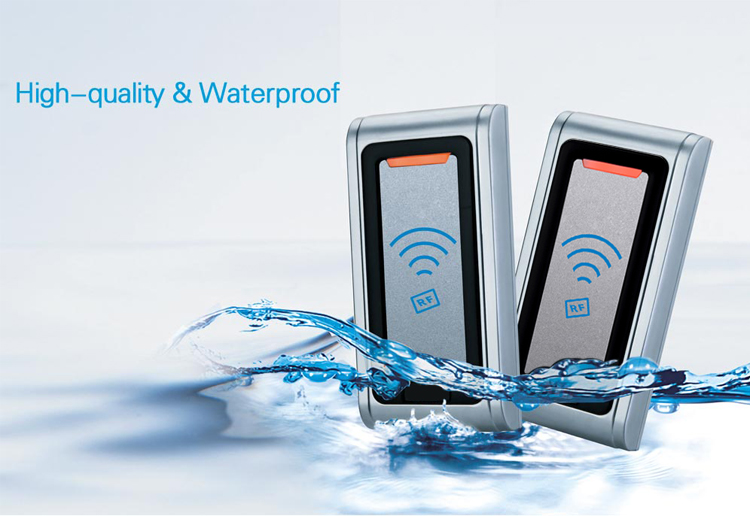
– RFID readers (125kHz or 13.56MHz frequency)
– Proximity cards/key fobs with embedded chips
– Control panel with database management
– Electric strike or magnetic lock hardware
Technical Variations
– Short-range (2-5cm) vs long-range (up to 1m) readers
– Wiegand or OSDP communication protocols
– Support for multiple credential technologies (MIFARE, HID, etc.)
Kenyan Use Cases
– Corporate office buildings
– University facilities
– Hospital restricted areas
– Hotel room access
Key Benefits
– Fast, contactless entry
– Ability to track individual access
– Easy to deactivate lost cards
– Scalable for large user bases
Potential Drawbacks
– Cards can be lost or duplicated
– Higher initial cost than keypad systems
– Requires card management infrastructure
3. Biometric Access Control Systems
Available Biometric Modalities
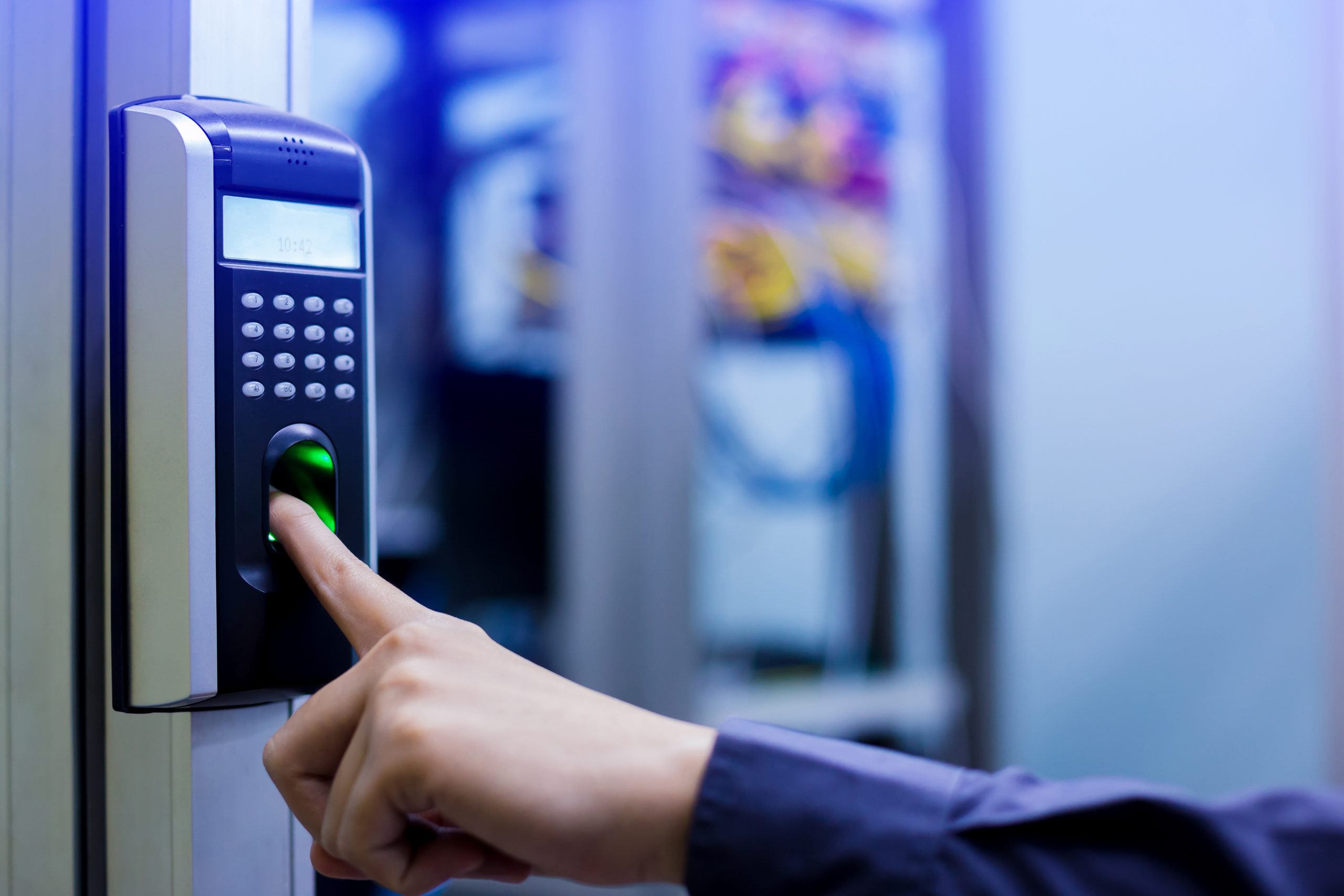
– Fingerprint scanners (optical, capacitive, ultrasonic)
– Facial recognition (2D, 3D, infrared)
– Iris/retina scanners
– Vein pattern recognition
– Palm print readers
Technical Considerations
– False Acceptance Rate (FAR) vs False Rejection Rate (FRR)
– Liveness detection capabilities
– Template storage capacity (500-10,000+ users)
– Anti-spoofing technologies
Ideal Kenyan Applications
– Banking institutions
– Government facilities
– Data centers
– High-security research labs
Advantages
– Eliminates credential sharing
– Extremely difficult to forge
– Creates detailed audit trails
– Convenient for users (nothing to carry)
Implementation Challenges
– Higher cost per reader
– Environmental factors can affect accuracy
– Requires user enrollment process
– Potential privacy concerns
4. Mobile-Based Access Control
System Architecture
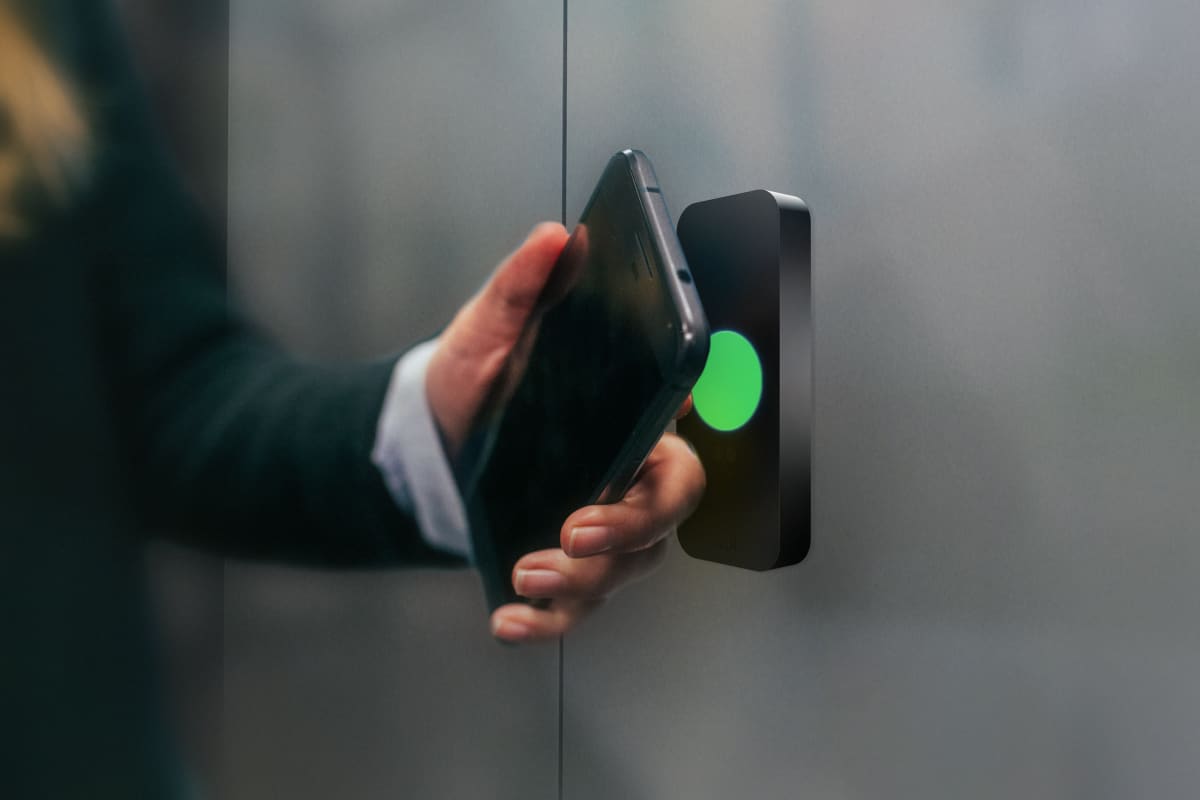
– Bluetooth Low Energy (BLE) enabled locks
– NFC smartphone compatibility
– Cloud-based management portals
– Mobile credential issuance systems
Technical Features
– Supports both online and offline operation
– Temporary access credential issuance
– Real-time access revocation
– Integration with building automation systems
Growing Kenyan Applications
– Co-working spaces
– Smart residential buildings
6- Vacation rental properties
– Corporate campuses
Key Benefits
– Eliminates physical credentials
– Remote access management
– Detailed usage analytics
– Seamless integration with other smart systems
Current Limitations
– Requires user smartphone ownership
– Dependent on mobile network coverage
– Higher cybersecurity requirements
– Battery life considerations for locks
5. Intercom & Video Door Entry Systems
System Types
– Audio-only intercoms
– Video intercoms (IP or analog)
– Smart video doorbells
– Multi-tenant entry systems
Technical Specifications
– Camera resolutions (720p to 4K)
– Night vision capabilities
– Two-way audio quality
– Visitor log storage capacity
Common Kenyan Installations
– Apartment complexes
– Gated residential communities
– Office building lobbies
– School entrances
Advantages
– Visual verification of visitors
– Remote access granting capability
– Deterrent effect on potential intruders
– Integration with other security systems
Implementation Considerations
– Requires stable network connection
– Power supply requirements
– Weatherproofing for outdoor units
– Privacy compliance considerations

6. Multi-Technology Hybrid Systems
Common Combinations
– Card + PIN systems
– Biometric + mobile credential systems
– Facial recognition + temperature screening
– Intercom + automatic gate openers
Technical Integration
– Multi-factor authentication workflows
– Unified credential management
– Centralized monitoring interfaces
– Scalable architecture designs
Kenyan Applications
– Government buildings
– Financial institutions
– Industrial facilities
– High-end residential compounds
Key Benefits
– Enhanced security through layered authentication
– Flexibility for different user groups
– Future-proof infrastructure
– Comprehensive audit capabilities
Implementation Challenges
– Higher initial investment
– Increased system complexity
– Extended installation timelines
– Specialized maintenance requirements
Use Cases of Access Control in Kenya
a. Residential Buildings
From apartment complexes in Nairobi to gated communities in Mombasa, access control systems such as RFID cards, fingerprint scanners, and video intercoms are widely used to manage tenant and guest access securely.
Offices and Commercial Properties
Corporate offices in Westlands, Upper Hill, and CBD benefit from networked access control combined with time attendance systems, helping HR departments track working hours while securing sensitive areas.
Retail Stores and Warehouses
Access control ensures only authorized staff enter stockrooms, safes, and cashier zones, minimizing theft and improving accountability.
Educational Institutions
Schools and universities use access cards and biometric systems to manage student and staff movement across labs, libraries, and dormitories.
Healthcare Facilities
Hospitals and clinics use multi-layered access control to safeguard pharmacies, medical records, and restricted wards.
Financial Institutions
Banks and SACCOs are required to implement multi-factor access systems with biometric verification to protect vaults, IT server rooms, and teller areas.
Industrial and Utility Facilities
Factories, energy plants, and telecom hubs in Kenya use integrated access control and CCTV systems to prevent unauthorized access to high-risk zones.

Key Benefits of Access Control Systems in Kenya
- Enhanced Security – Only authorized personnel gain entry.
- Audit Trails – Monitor who accessed where and when.
- Time Efficiency – Reduce bottlenecks with faster authentication.
- Flexible Access Rights – Temporary or role-based access is easy to set.
- Integration with Other Systems – Sync with CCTV, fire alarms, and time attendance.
- Cost-Effective – Prevent internal theft and minimize human error.
- Scalability – Expand with your premises or staff.
- Remote Control – Manage access from mobile or web portals.
Common Technologies Used in Access Control Systems
| Technology | Use | Example Devices |
| RFID | Card/tag-based entry | ZKTeco, Suprema RFID readers |
| Biometric | Fingerprint, face | Suprema BioLite, Hikvision Terminals |
| Keypad | PIN-based | Dahua VTO keypad readers |
| Mobile | Bluetooth, NFC apps | Kisi, HID Mobile Access |
| Facial Recognition | Touchless access | Hikvision DS-K1T642, ZKTeco SpeedFace |
| Cloud-based | Web & mobile dashboards | ZKTeco ZKBioSecurity, Yeastar Linkus |
Home vs Business Access Control Systems
It’s important to understand the difference between home and business security systems when selecting the right solution. While homes often require standalone or simple biometric readers for front gates or main doors, business premises may need centralized, multi-location systems with integration to HR, alarms, and CCTV systems.
➡️ Check out our detailed guide on Home vs Business Systems to find out which system is best for your setup.
7.Choosing the Right Access Control System in Kenya
When selecting an access control system, consider:
- Size of the property
- Number of users
- Type of credentials needed
- Budget
- Level of security required
- Integration with existing systems
Working with a professional installer ensures the system you choose is scalable, secure, and fits your environment.
Installation Services in Kenya
A good security system is only as reliable as its installation. Whether you’re securing a small retail shop or a corporate headquarters, professional installation ensures correct setup, configuration, and long-term performance.
➡️ Explore our expert Installation Services in Kenya to learn how we can help you set up reliable, affordable, and future-proof access control systems.
Conclusion: Choosing the Right Access Control System for Kenyan Needs
This comprehensive breakdown of access control system types provides Kenyan property owners and security managers with the technical knowledge needed to evaluate options. Each system type offers distinct advantages depending on security requirements, budget constraints, and operational needs. For professional guidance in selecting and implementing the ideal access control solution for your Kenyan property, consult with security experts at Phonex Technologies.
Ready to Get Started?
Get expert help selecting and installing the right access control system tailored to your property, business type, and security needs.
Contact us today for a FREE consultation.
Learn more on our Installation Services in Kenya page.
Still unsure? Compare systems on our Home vs Business Systems guide.